Togakushi is a deeply spiritual attraction near Nagano, Japan. This peaceful mountain area is known for its five ancient shrines and towering cedar forests. Many visitors come to walk the famous Five Shrine Pilgrimage Hike, a serene journey filled with natural beauty at the base of Mount Togakushi.
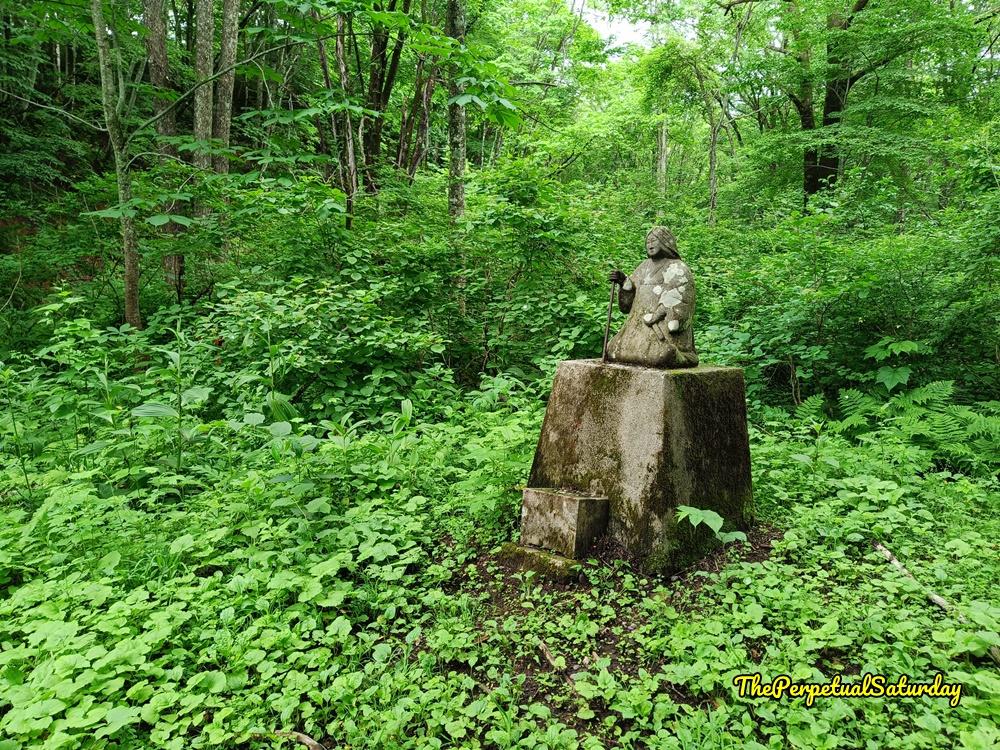
The history of Togakushi is rooted in Japanese mythology and the legend of Amano-Iwato, or “Heaven’s Rock Door.” According to lore, the sun goddess Amaterasu hid herself inside a cave behind a rock door. When the other gods lured her out with music and dancing, one of the gods (showing serious initiative) took the stone door and hurled it across the land to prevent Amaterasu from hiding ever again. Mount Togakushi is where the rock door landed, which gives the area its name – Togakushi literally means “hiding door.”
How to Get to Togakushi
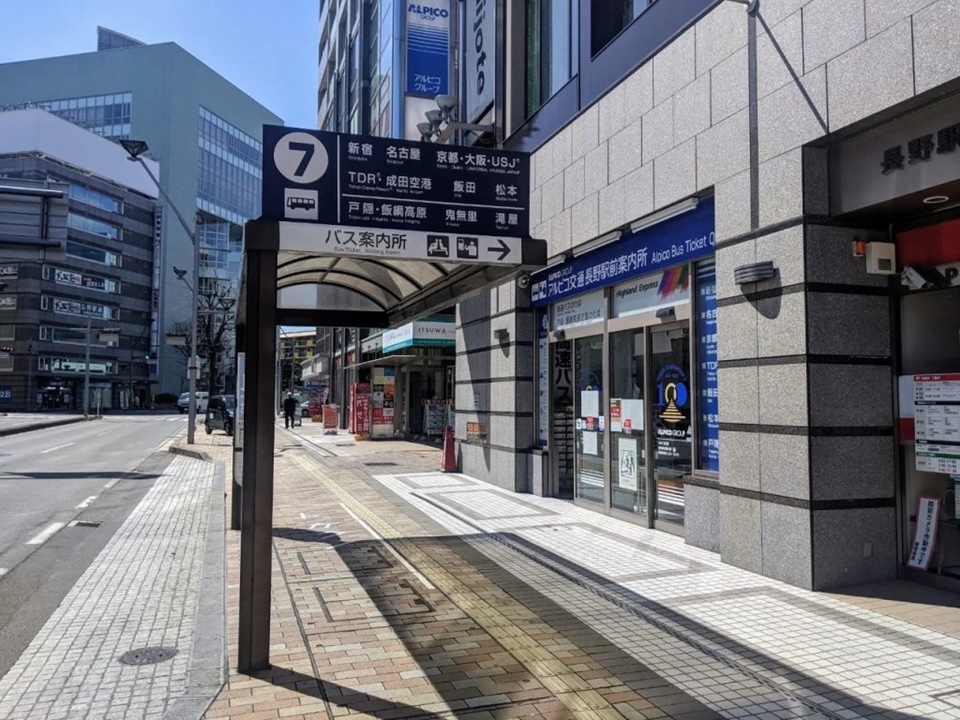
Most visitors will be coming from Nagano, which is the closest city to Togakushi. You can get here from Tokyo, Osaka, or Kyoto, but the route involves taking the Shinkansen to Nagano anyway. There are two buses that go to Togakushi, and both buses board at Alpico Bus Stop No. 7 at Nagano Station. It’s across the road and around the corner from the main station.
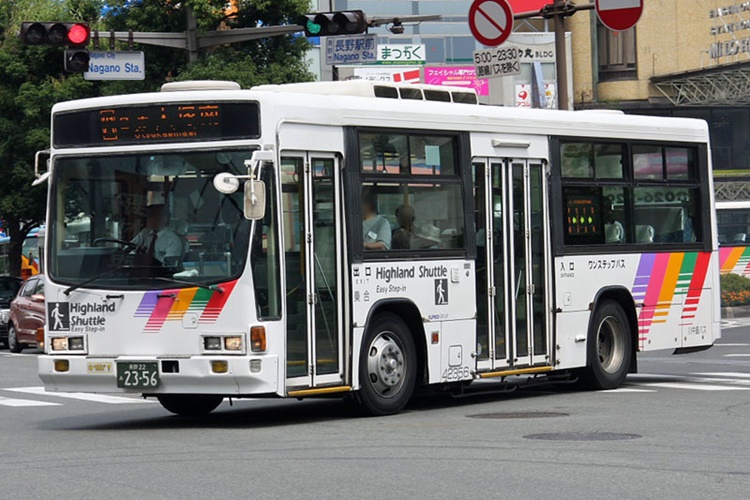
Bus No. 70 – ¥1,350 (Cheaper but requires more know-how)
This is a public bus that takes a little over an hour (70ish minutes) from Nagano Central. We paid ¥1,350 per person for a one-way journey, disembarking at the Togakushi Tourist Information Centre/Togakushi Chusha. The fare might be a little cheaper if you get off at the lower stops, such as the Soba Museum, or more expensive the closer you get to Okusha (upper shrine). There is a screen on the bus that shows all the upcoming stops in English and Japanese.
You can pay the fare on the bus, but you must have exact change. It’s easier to buy a ticket at the Alpico Bus Ticket Office next to the stop. There was an English-speaking staff member who helped us at the self-service ticket machine. They also had the No. 70 bus timetable for both directions that we could take with us. If you have time before visiting Togakushi, it’s a good idea to drop by the ticket office to pick up the latest schedule to better plan your day.
Keep in mind that you’ll probably need exact change when returning to Nagano. There’s no ticket office at Togakushi, and I don’t know if the Togakushi Tourist Information Centre sells bus tickets. It was closed by the time we were leaving (it closes at 5 pm sharp).
Alpico Tourist Bus – ¥2,500 (Quicker and more tourist-friendly)
Most online searches for Togakushi buses will point to this one. This is an express coach bus that is slightly quicker, but more expensive. It’s a straightforward option that gives better peace of mind compared to the public bus. It costs ¥2,500 one way and takes 55 minutes from Nagano to Chusha Shrine. Buses to Togakushi begin service around 7 am and continue until 2 pm. The last bus from Togakushi to Nagano departs around 4:30 pm. Check the Alpico website for the most up-to-date schedule times.
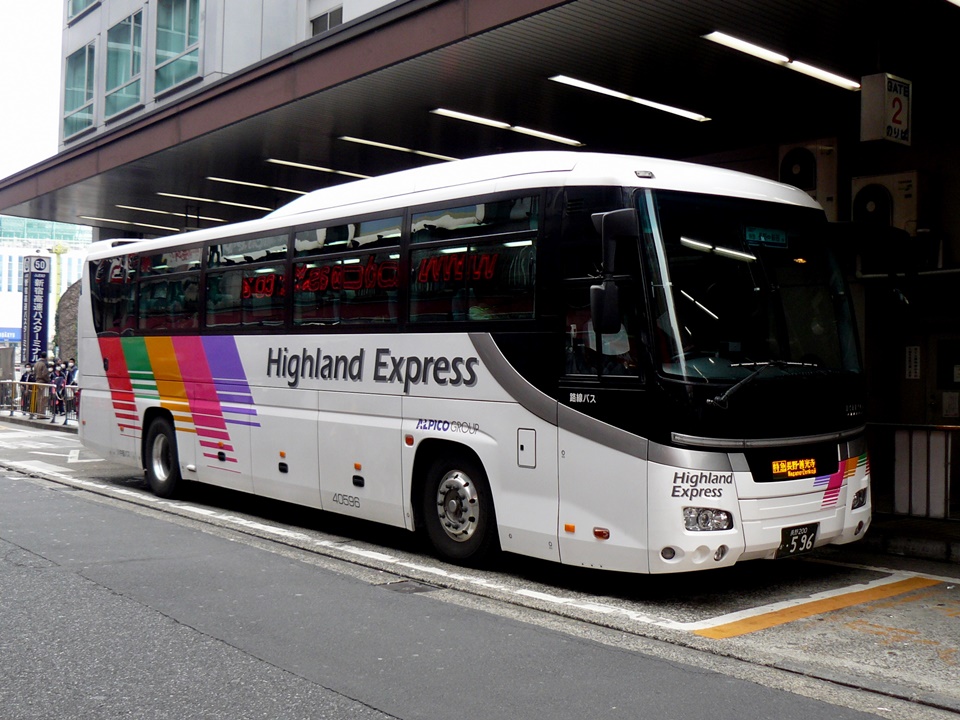
It is highly recommended that you buy and reserve a seat online. You can take the bus without a reservation, but if every seat has been reserved, you’ll be denied boarding. If you can snag a seat without a reservation, you can pay the fare on the bus with Visa or cash (Suica and Pasmo are not accepted).
Admission Price & Opening Hours of Togakushi
Togakushi is free to visit. The only money you’ll have to pay is the bus fare.
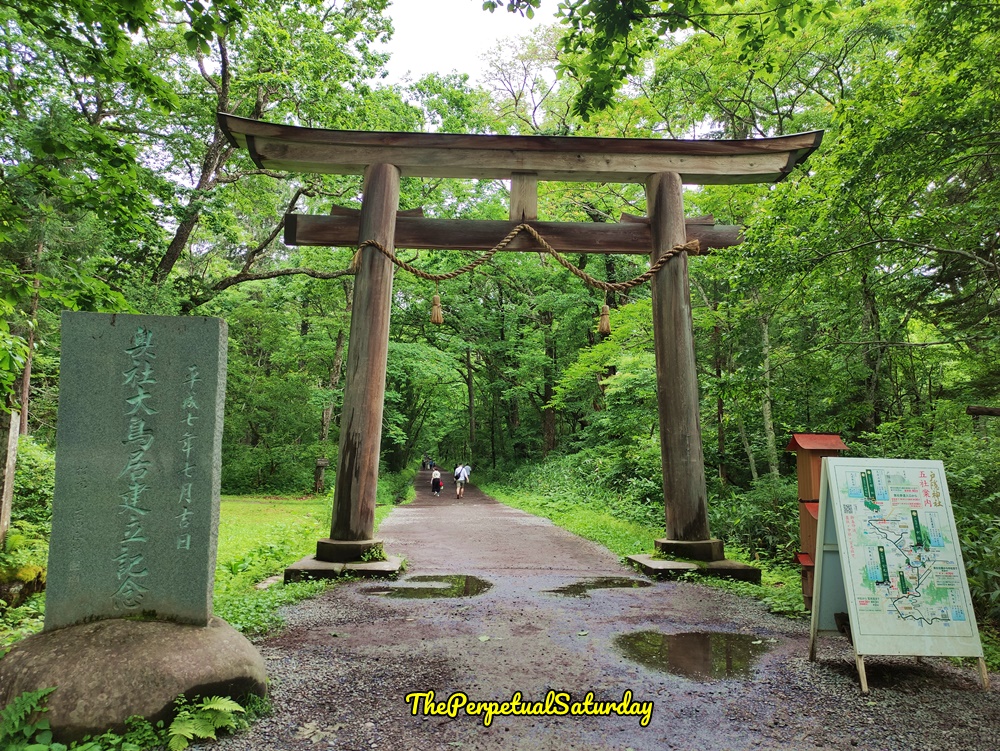
Togakushi is open 24 hours, but the buses going to and leaving Togakushi operate mostly during business hours (the last public bus to Nagano is around 7 pm). There aren’t many street lamps in the forest, so there won’t be anything to see once it gets dark. It is also open year-round, although the upper shrine is closed during winter (January to mid-April).
What to See at Togakushi
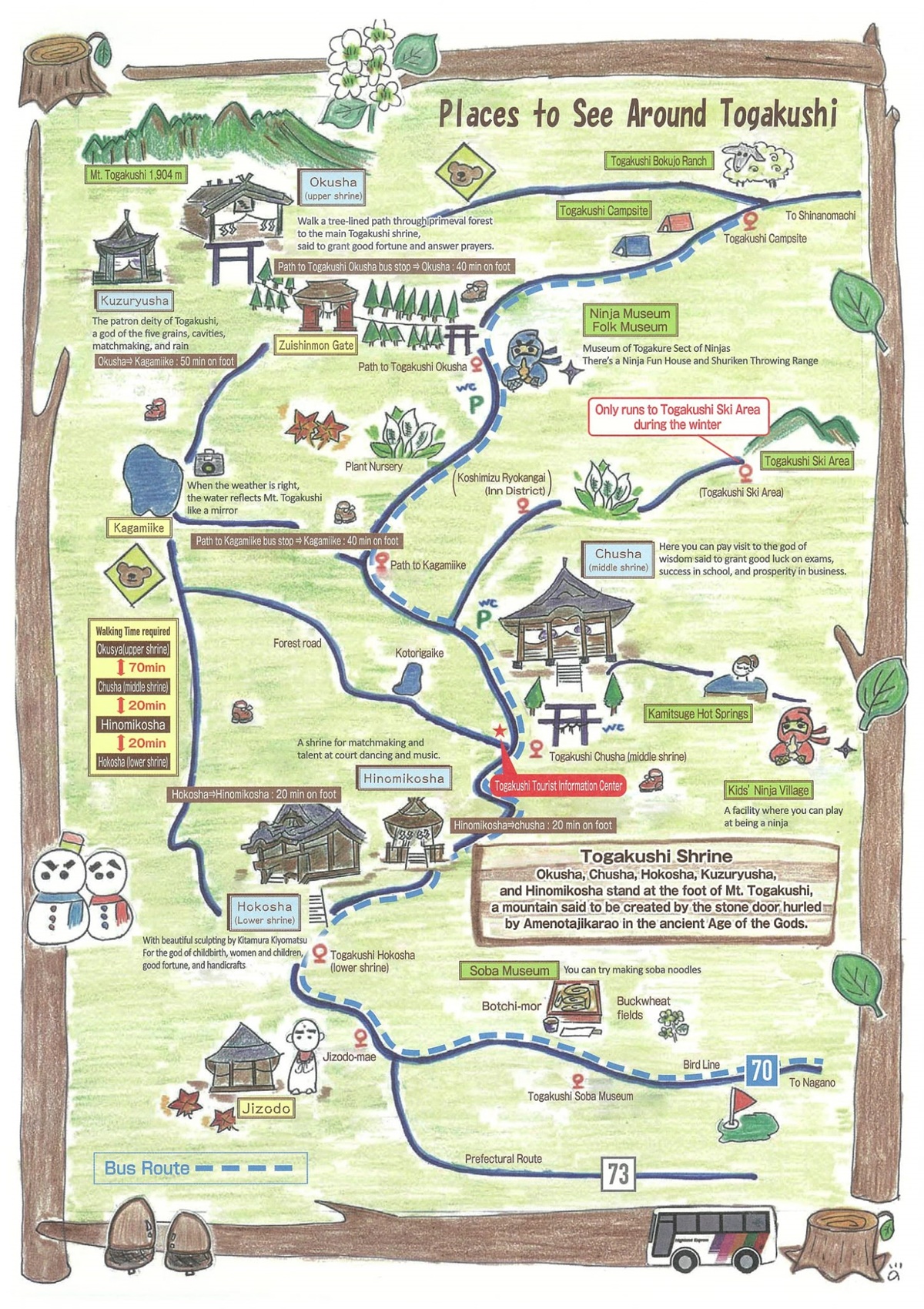
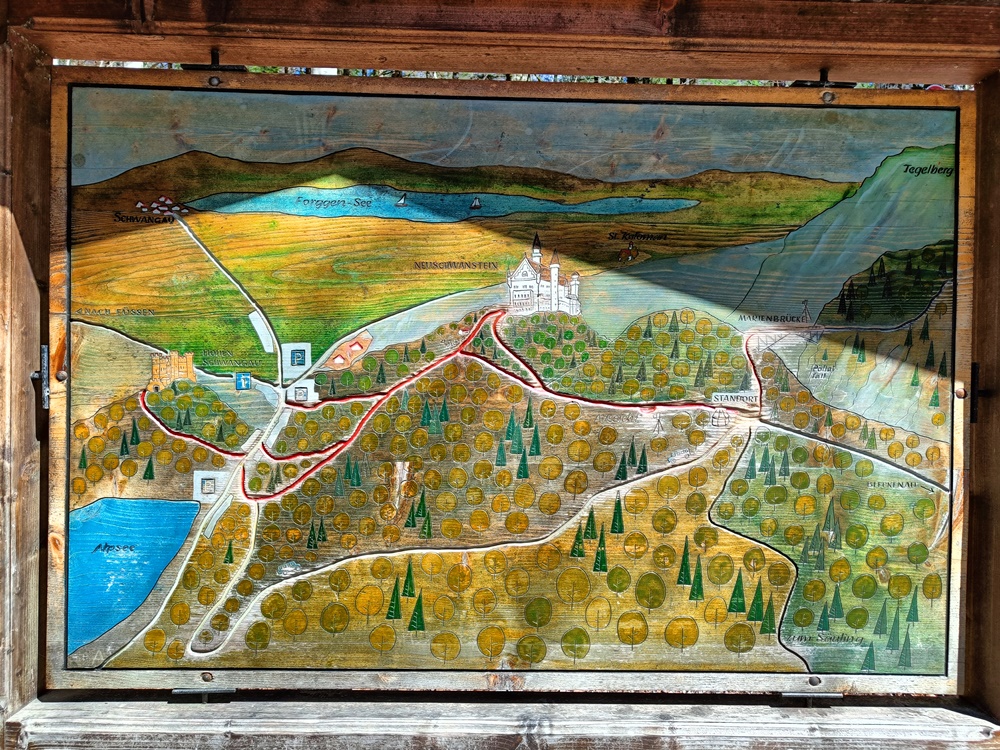
There’s much to see, and there’s a lot of walking involved at Togakushi. The scale is deceptively large – it’s much more vast than the map makes it out to be. It feels like it would be hard to see everything, since tourists need to catch a bus home around 4 pm.
Soba Museum
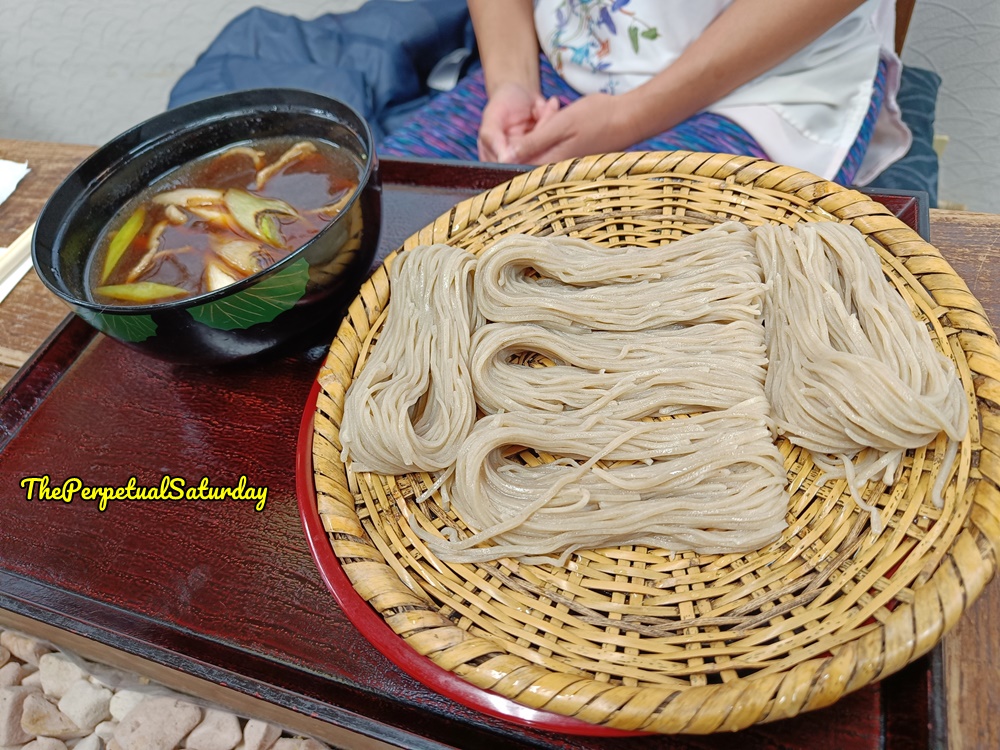
While you will learn about many aspects of the relatively simple-looking noodle, the real attraction here is the soba-making experience. For ¥2,400 per person between 10 am and 2 pm, you can make soba noodles from scratch – kneading, rolling and stretching that dough. Once you’re done, the kitchen will serve up your homemade noodles for you to eat!
Hokosha (Lower Shrine) and Hinomikosha
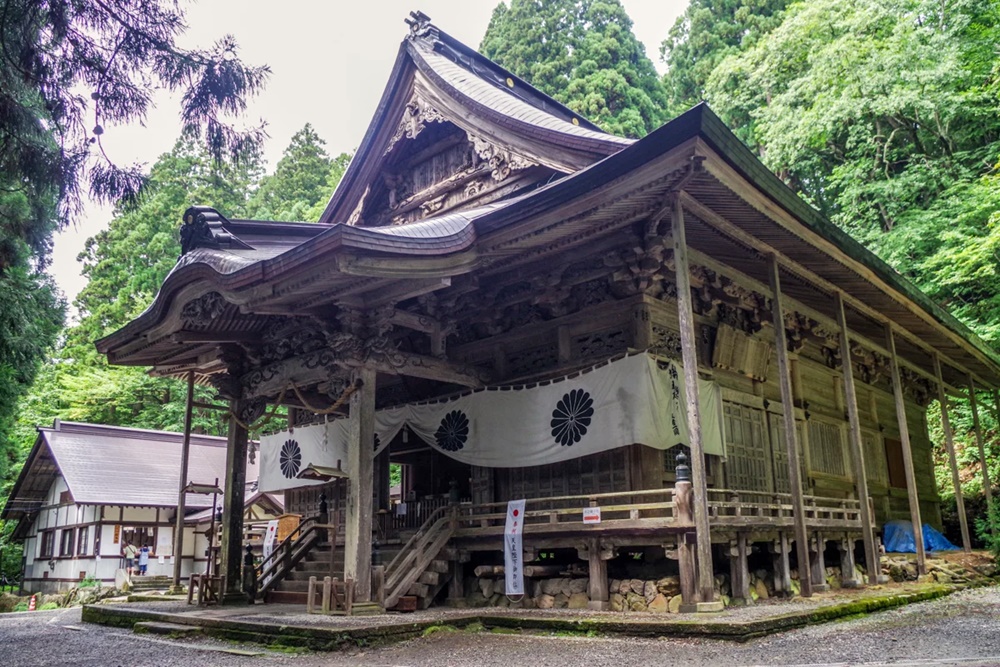
Hokosha is the first of the five shrines along the 14.5km Togakushi Kodo Trail. It requires a climb of 290 stairs to get to the main pavilion. Before the lazy part of your brain tries to convince you to skip it, know that Hokosha has the most impressive carved reliefs of the five shrines. While the others have wood beams with slight or no detailing, Hokosha features swirling dragon motifs for sharp-eyed visitors to enjoy. If you want to avoid the stairs, you can get off the bus at Chusha Shrine and walk down.
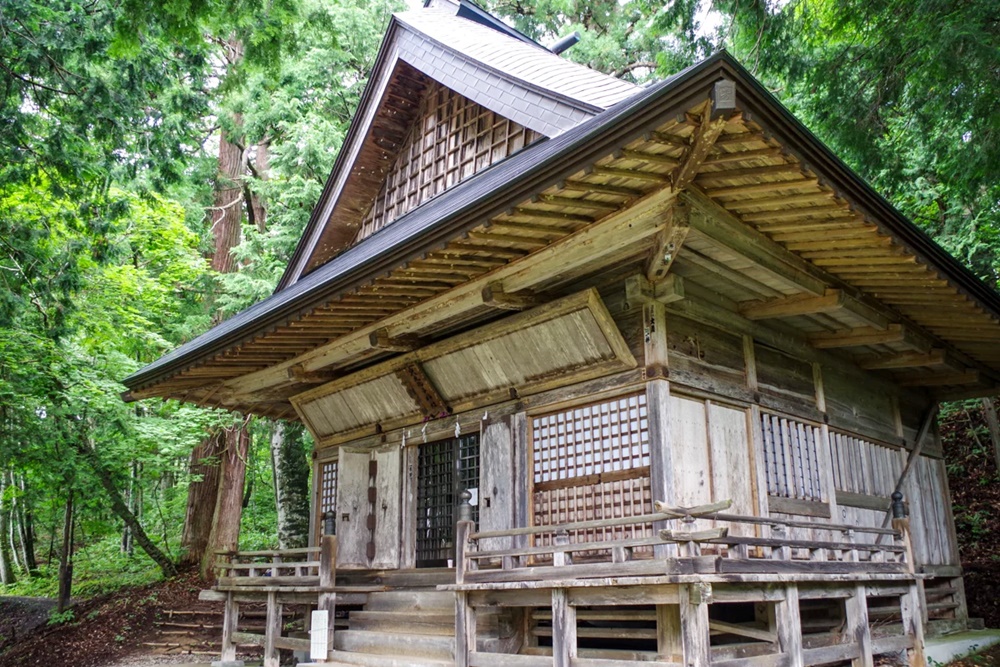
Hinomikosha is roughly a twenty-minute walk from Hokosha. Despite being dedicated to the goddess of arts, music and dancing, Hinomikosha is a plain and unadorned structure.
Chusha (Middle Shrine)
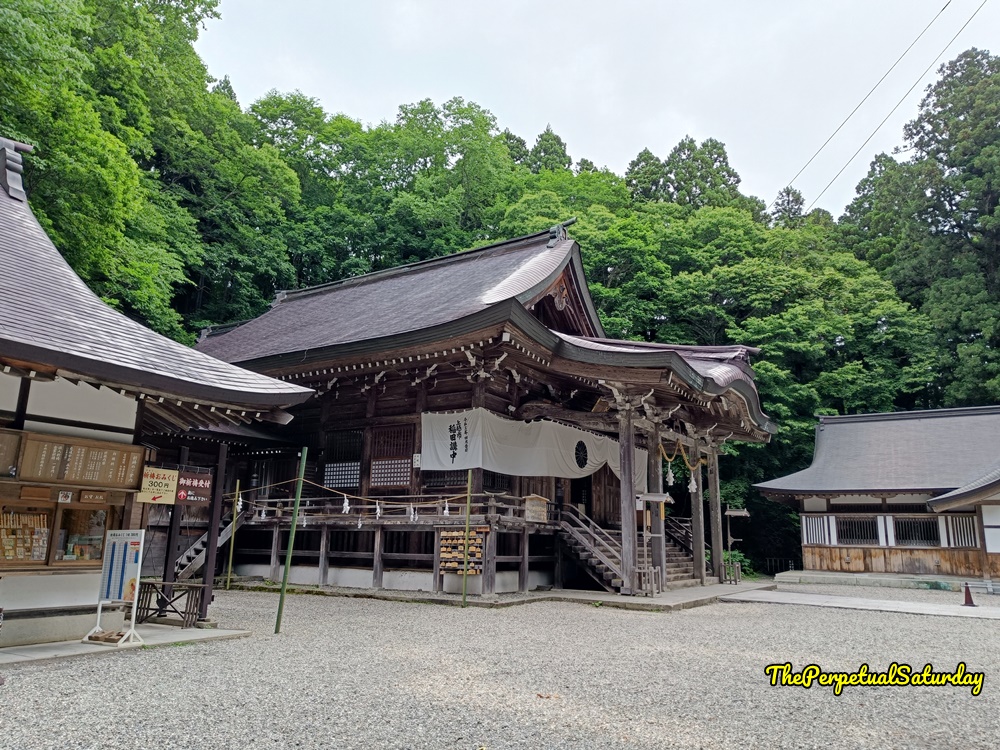
Hey look, more stairs! There’s no escaping an upward ascent at Togakushi, so you might as well get used to it. Chusha is a large shrine complex with several buildings scattered around multiple terrace levels. The god of wisdom overlooks this shrine, and paying respects here will grant success in school and business.
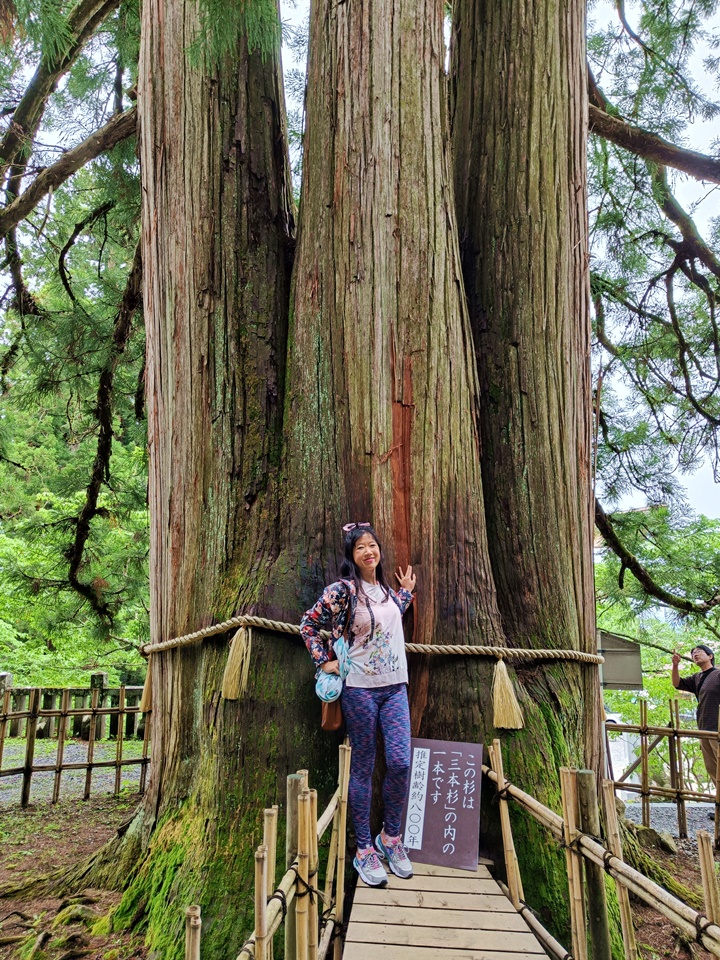
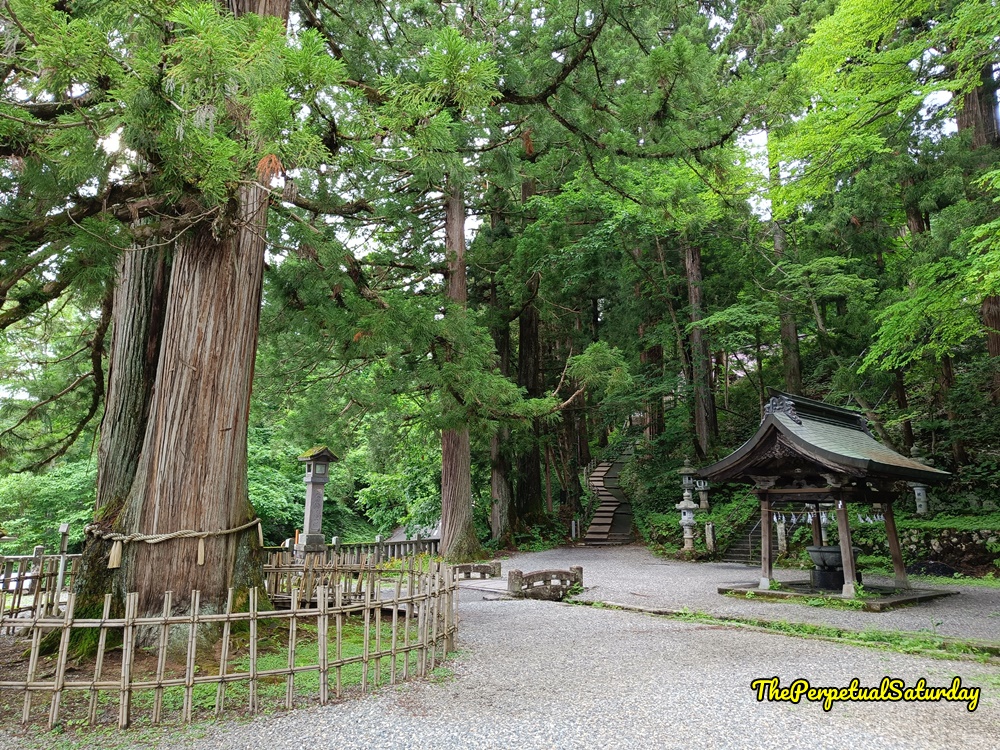
Another point of interest at Chusha is one of the “Three Cedars,” a popular picture spot. These ancient trees are approximately 800 years old each. Although this massive tree (named “I”) is three cedars joined at the base before separating into individual trunks, there are actually two more cedars (named “Ro” and “Ha”) within Togakushi that make up the trio. Their locations form a perfect triangle on a map. A member of the Three Cedars will have a thick rope around its trunk – see if you can find the others!
Zuishinmon Gate and Cedar Path
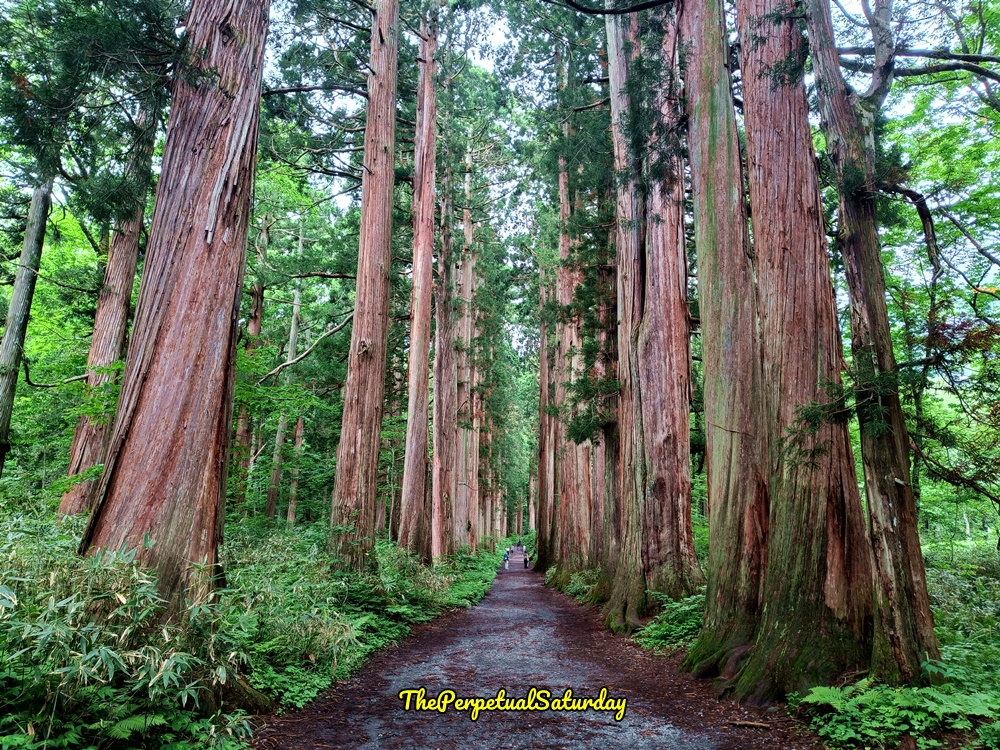
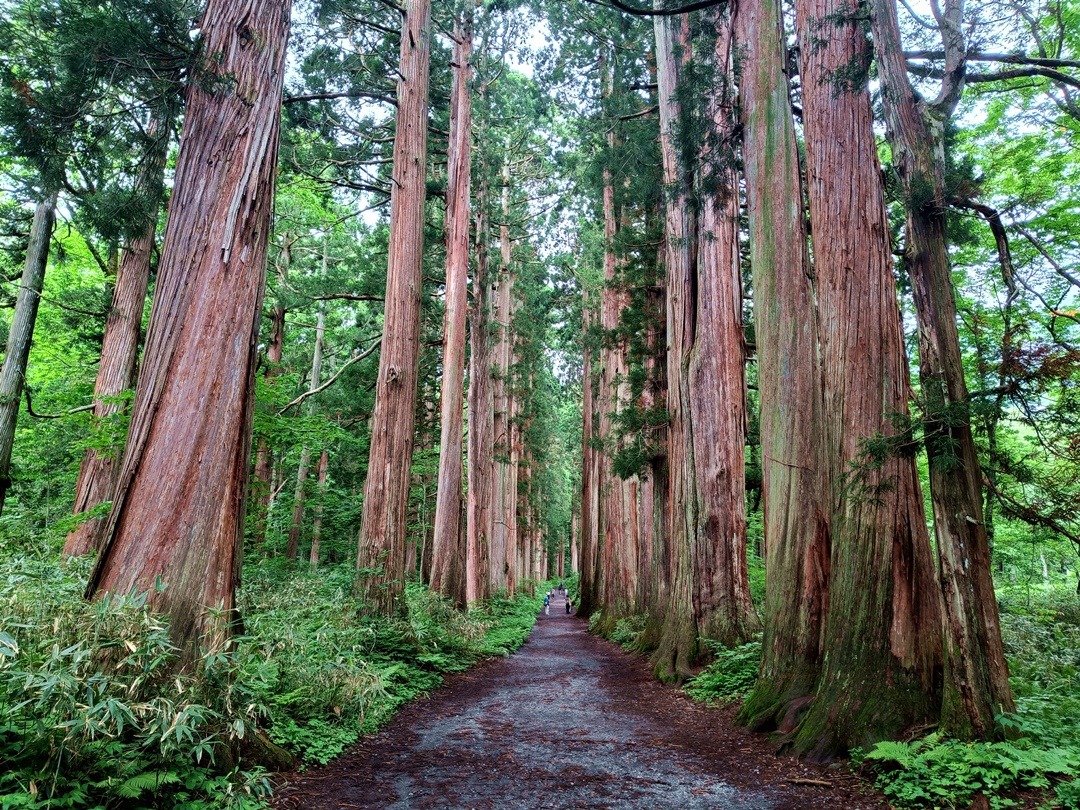
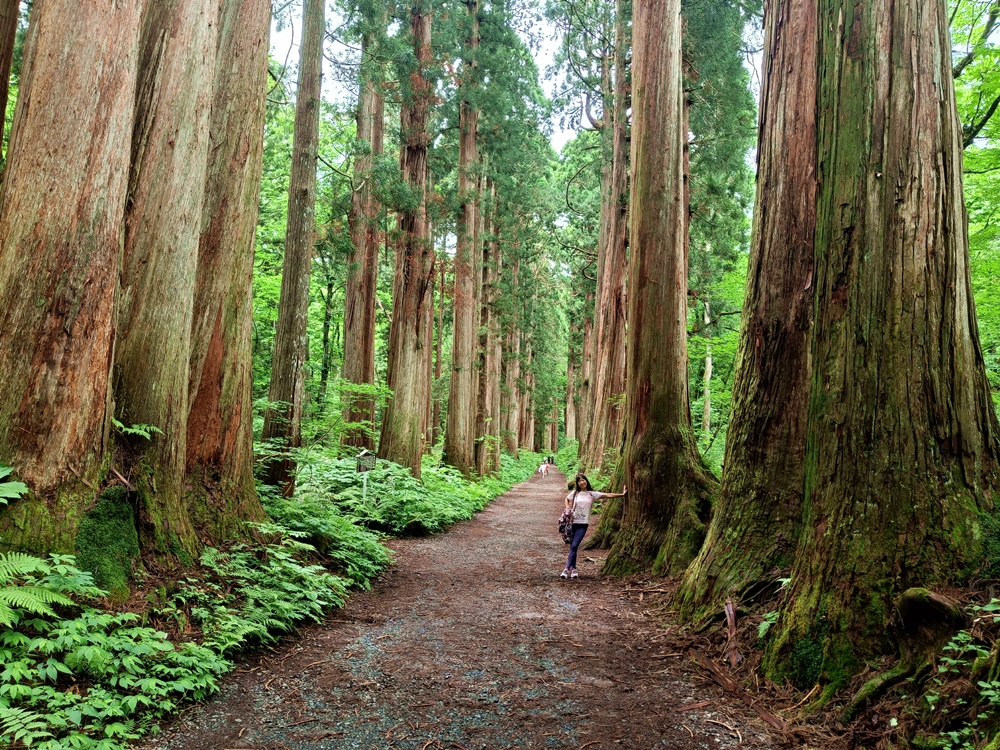
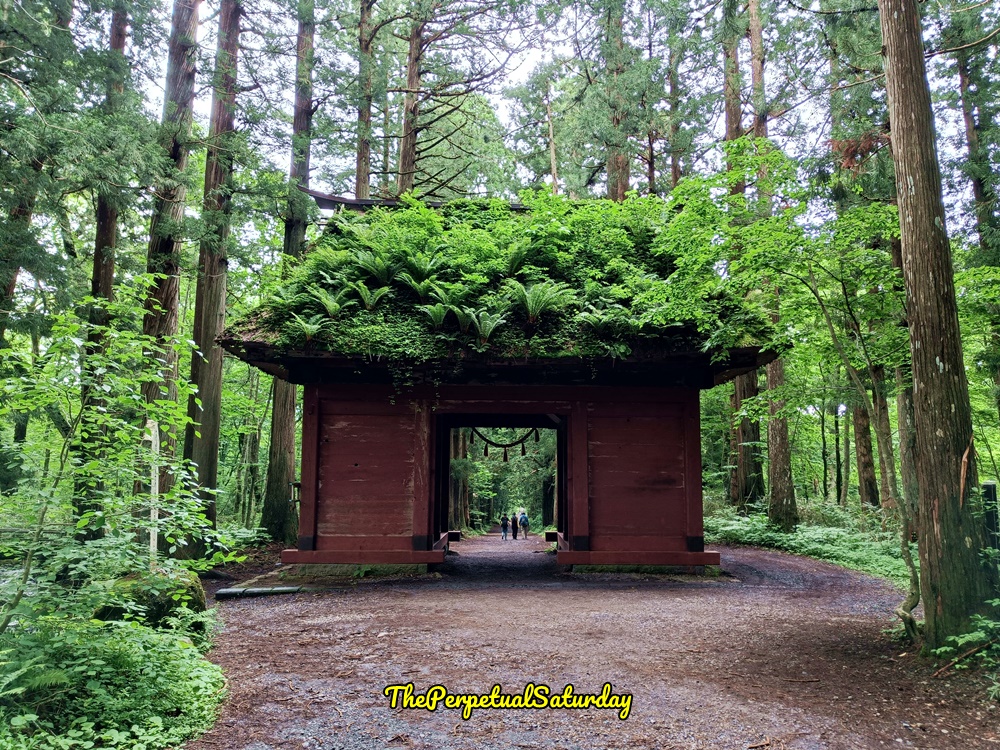
This is what people come to Togakushi for. This path to the final shrines is completely lined with mind-blowingly tall cedars. Some are 400 years old – positively middle-aged compared to the venerable Three Cedars. The looming giants look otherworldly, with the thickest and tallest trees closest to the path. In the middle of the 2-kilometre lane lies Zuishinmon Gate with lush foliage growing out of its thatched roof.
Okusha (Upper Shrine) and Kuzurusha
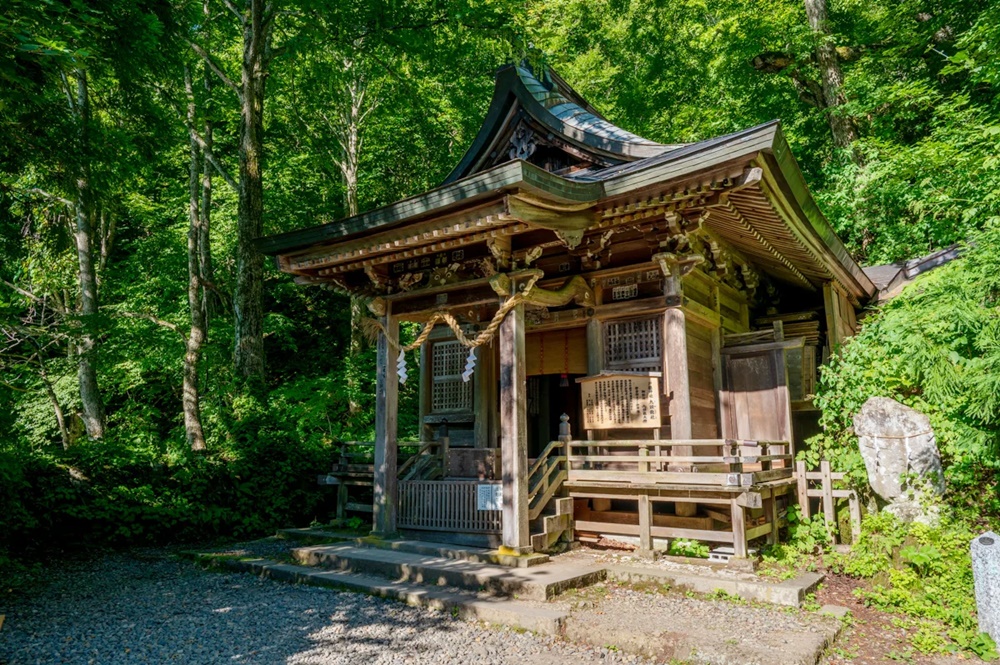
Kuzurusha is a smaller wooden shrine that is lower on the mountain than Okusha. The patron deity at this shrine is responsible for a hodgepodge of unrelated things, such as cavities, matchmaking, and rain for crops (though it feels like “cavities” is an amusing mistranslation).
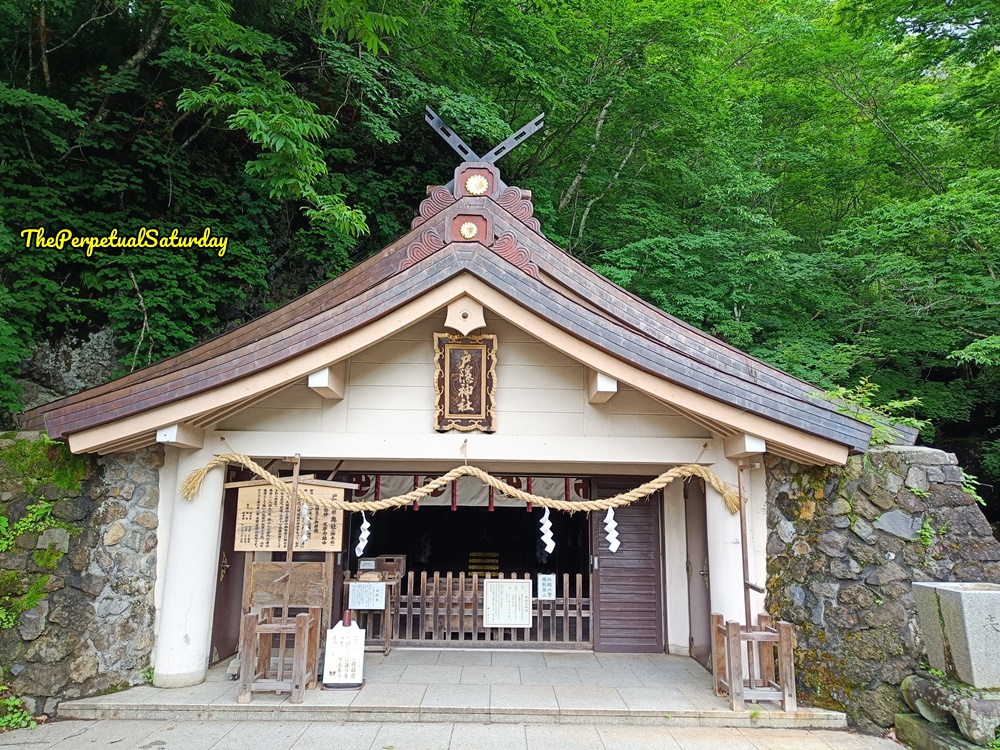
Lastly, there’s the upper shrine, Okusha. Praying here is said to give everything that humans crave: luck, wish fulfilment, and good fortune. Unsurprisingly, this one is considered the most important of the five shrines at Togakushi. Though if I’m being honest, it’s nothing special. If you were expecting a magnificent shrine or even a view of the forest below, this isn’t it.
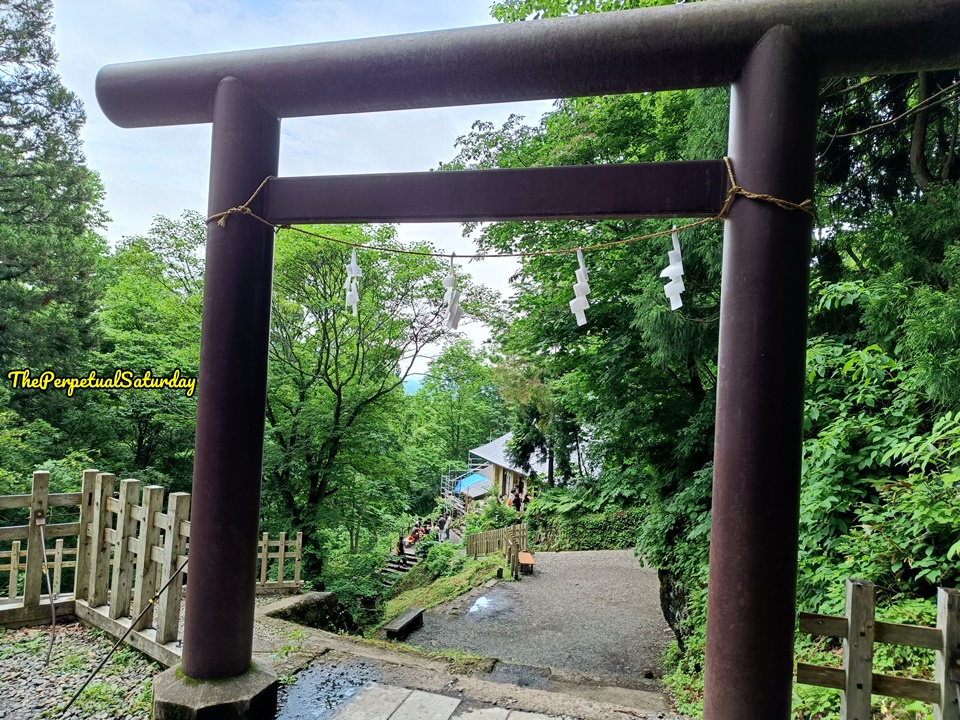
Okusha is exactly what it says it is – a shrine meant for worship. The amount of effort you have to expend to get to it, climbing all those steps up the hill, hardly seems worth it. Every person we passed was struggling with all the steps, just as we were! I understand that visitors will go up there anyway because of FOMO. However, the preceding cedar-lined path is more impressive in my opinion.
Tenmeiinari Shrine and Torii Gates
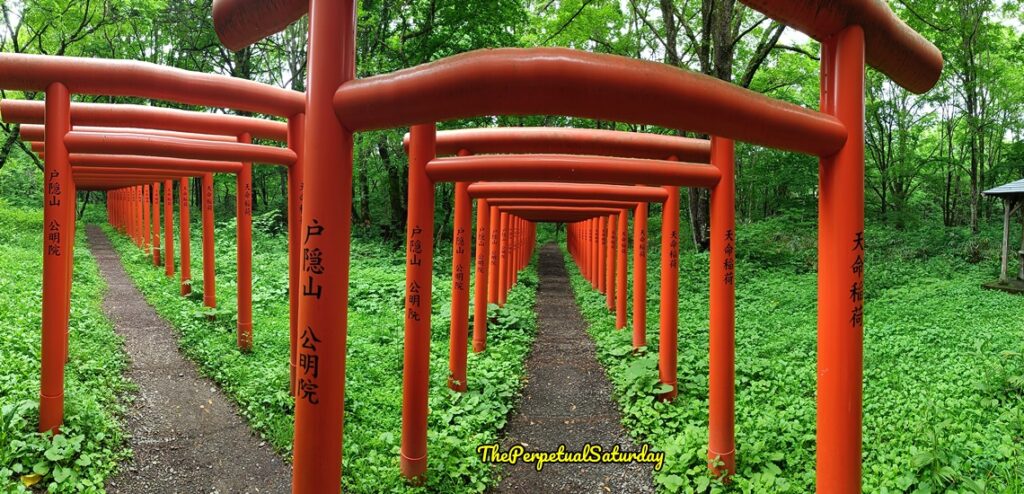
If you follow the walking path from Zuishinmon Gate to Kagami-ike pond, you’ll come across a lonely shrine. It’s not marked on any English maps around the forest, but Google says it’s Tenmeiinari Shrine. The vibrant red torii contrast stunningly with the abundant greenery.
Kagami-ike Pond
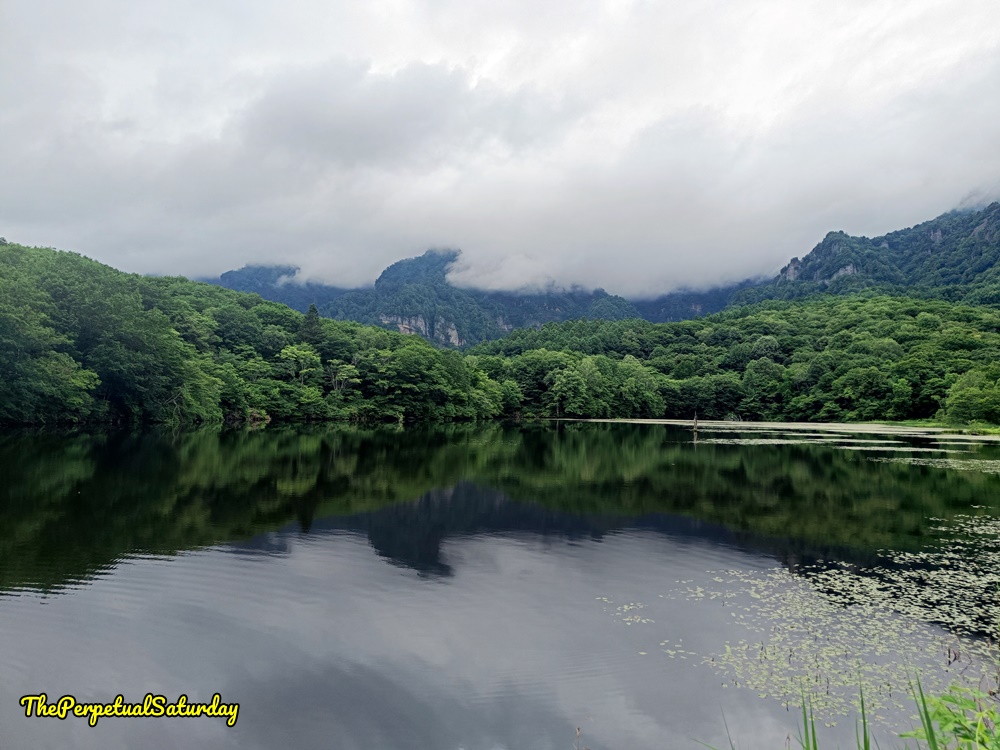
Kagami-ike Pond is off the beaten path and appears to be a location that most tourists skip. There’s no bus stop nearby, and it’s at least a 45-minute walk from the other shrines (there is a parking lot if you have a car, though). On calm, clear days, Kagami-ike can become a “mirror pond” with Mount Togakushi reflected in the waters.
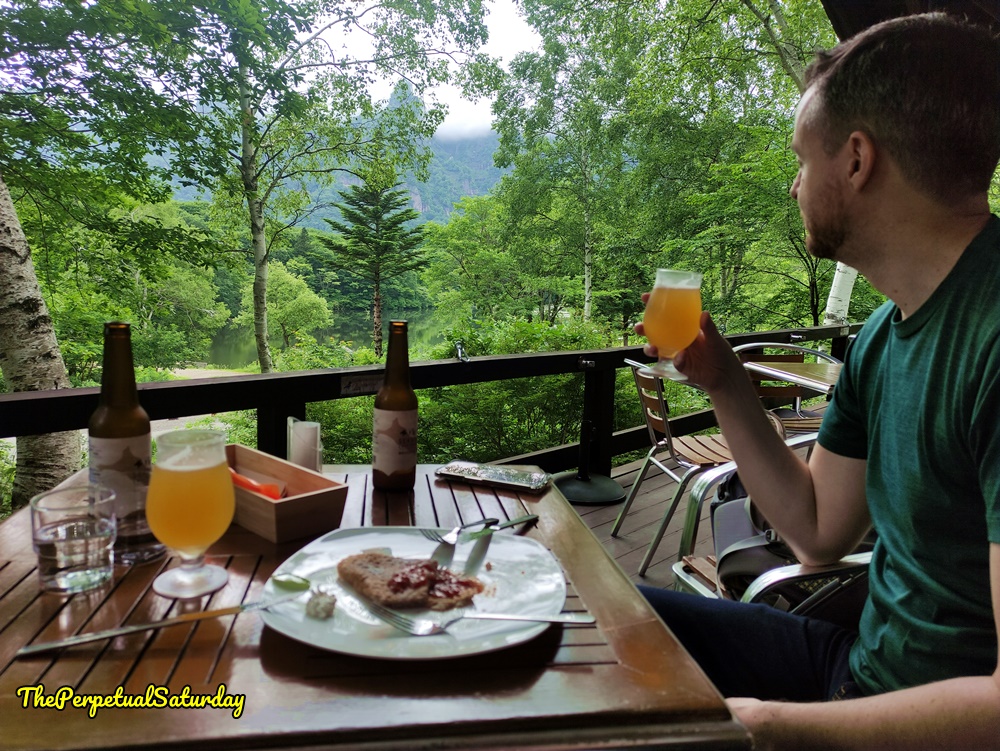
There are only a couple of benches by the lake to enjoy the view. A much more comfortable way to take in the scenery is to eat a meal on the Acorn House patio, a cosy chalet restaurant behind Kagami-ike Pond.
Facilities
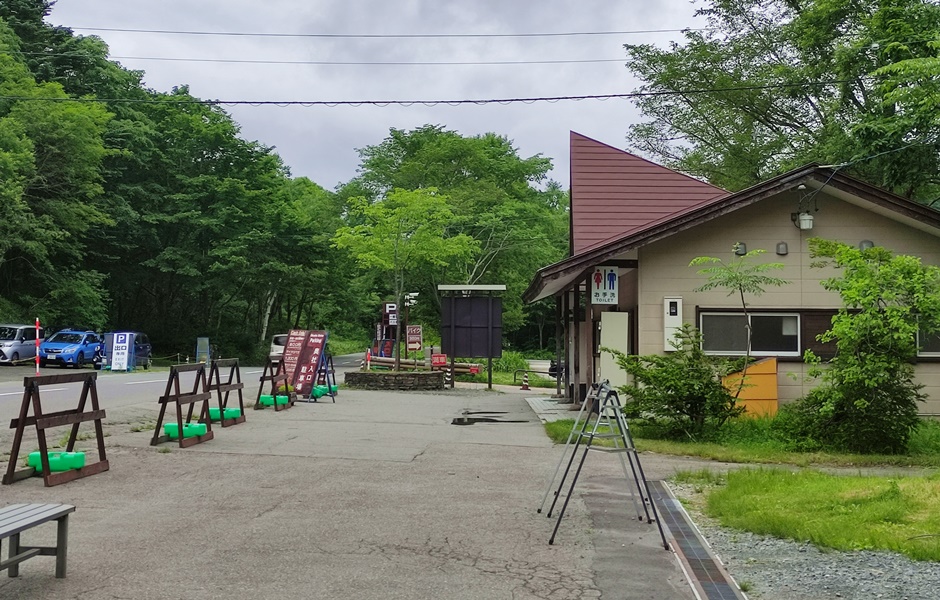
Togakushi has four public toilets on its grounds. The first is near the bus stop at Chusha (middle shrine), to the right of the torii gate. There’s another not far away on the path to Okusha, where the road forks to the ski area. The last one is before the cedar-lined path at Zuishinmon Gate. There is also a washroom at the Acorn House restaurant and souvenir shop, of course.
What to Eat at Togakushi
Soba Noodle Restaurants
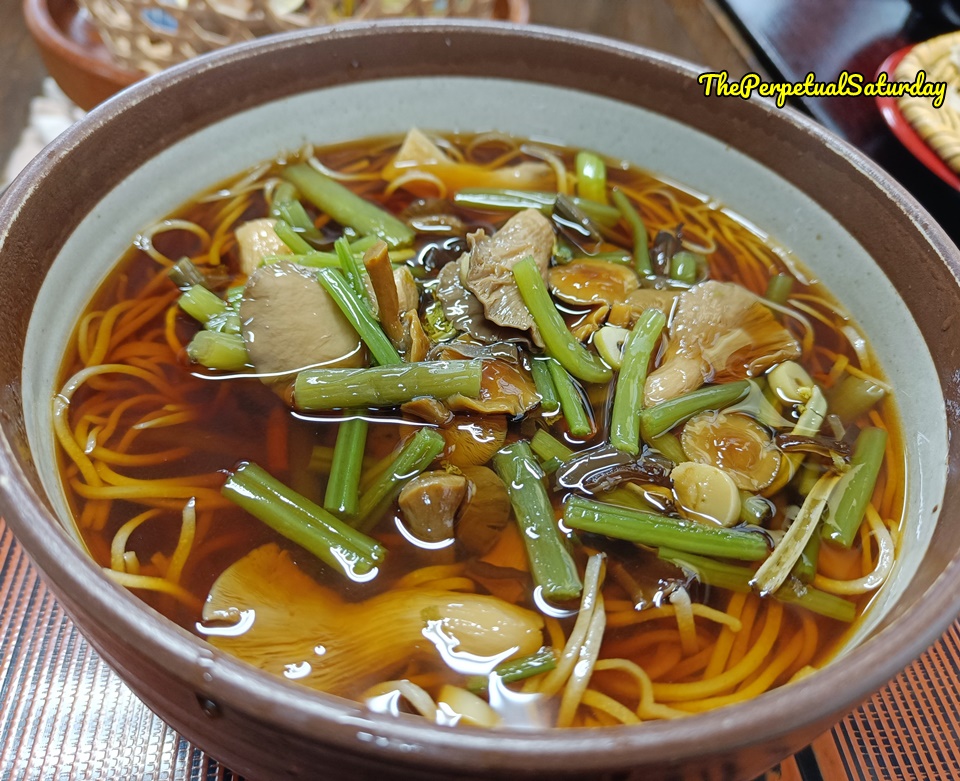
Soba noodles are the speciality of the region. There are a handful of small restaurants near the Chusha bus stop. The names are all in Japanese and have loose opening hours, but they close shortly after lunch, around 2 pm. We passed by several that were supposed to be open according to Google, but were closed or being renovated.
Ice Cream Shop
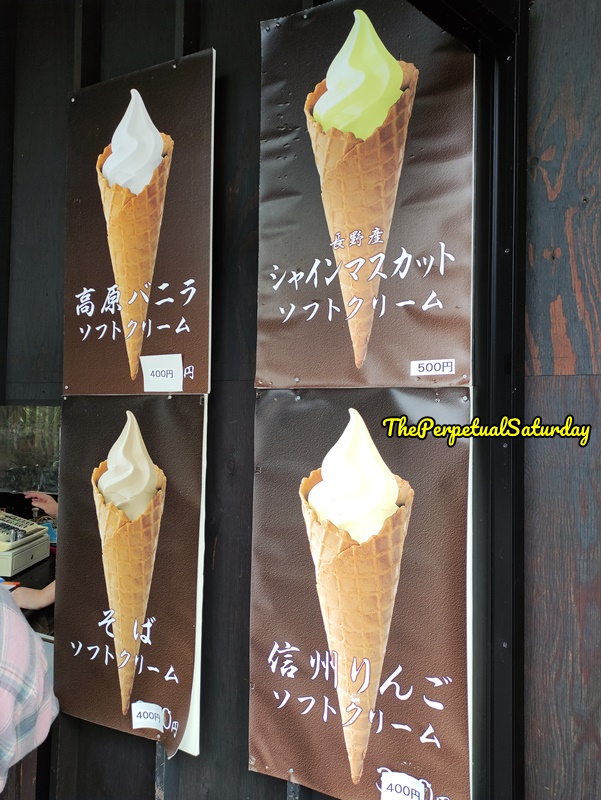
There is an ice cream shop at the parking lot near Zuishinmon Gate. It seemed popular with a steady stream of customers despite the relatively quiet day. Today they had four flavours of soft serve for ¥400-¥500. There were only a couple of benches in front of the shop, so be prepared to walk and eat.
Acorn House
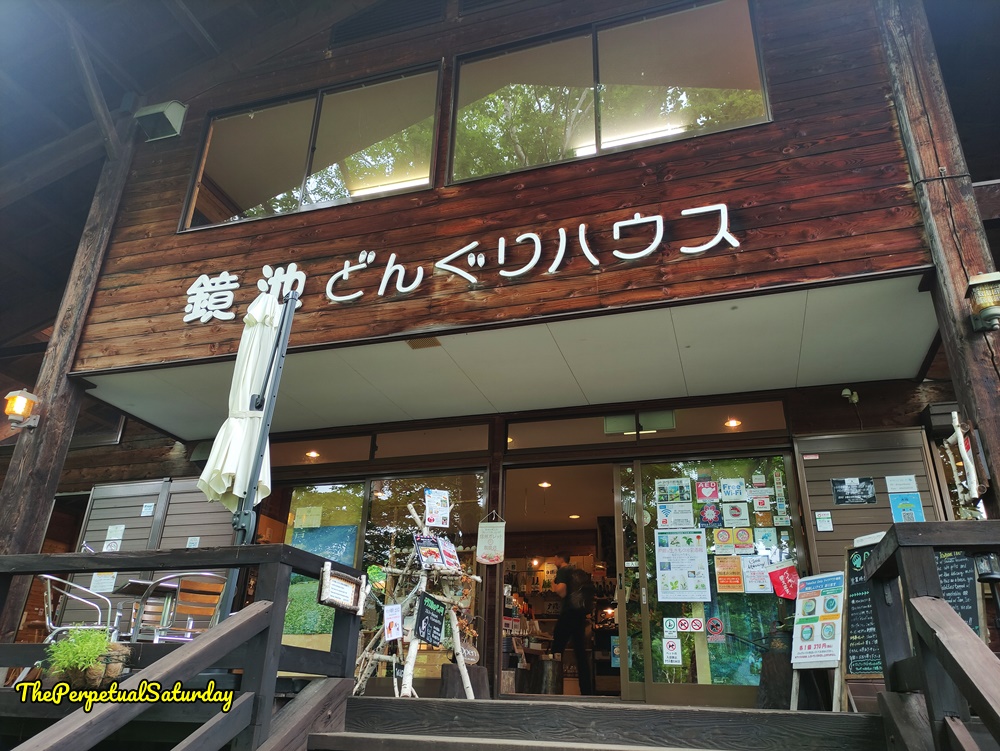
I highly recommend stopping in at Acorn House at Kagami-ike Pond. This buckwheat restaurant is also a souvenir shop selling local snacks, handicrafts, and acorn-shaped paraphernalia. Their patio features a lush, forested view of the pond and mountains, and the restaurant provides fuzzy blankets for guests to bundle up if it’s too cold. We had a tasty all-buckwheat meal of crepes and ale while looking out onto the pond.
Saturday Worthy?
Togakushi is an attraction that’s equally beautiful in the winter and summer. If you’re ready for some walking, it’s a worthwhile and inexpensive day trip if you’re already staying in Nagano. However, I would reconsider if you have to travel any further than that because of the time it takes to get there.